| |
| Tuesday, 08 December 2026 |
| Christmas - Backstage at Covent Garden |
| Sarah Lenton |
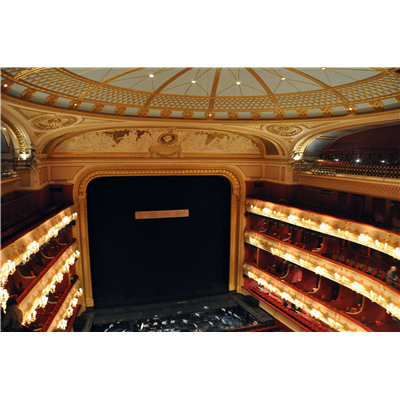 |
Every year the Royal Opera House puts on a season of Christmas shows: the Royal Ballet in Nutcracker and Cinderella, the Royal Opera in any piece with a folk tale theme, and either genre if it features snow. How do we cope with all those magic coaches and snow bags? Not to say 17 Sugar Plums, 12 Princes, and the entire Lower Ballet School backstage? This talk takes you into the wings, down the traps and under the stage as our legendary Christmas Tree is moved on to its lift. Based on interviews and live video clips. Sarah Lenton has spent her working life in the theatre: her principal employers are the Royal Opera House, English National Opera, Glyndebourne Festival Opera and Garsington Opera. She writes programme articles, radio scripts, gives lectures on the operas and ballets in the rep. and broadcasts regularly for BBC Radios 3 and 4. She is also a cartoonist. All the talks listed come with audio and/or video clips. Image attached- Credit- The Royal Opera House, Covent Garden, auditorium |
|
| Tuesday, 12 January 2027 |
| The Bayeux Tapestry to Opus Anglicanum |
| Susan Kay-Williams FRSA |
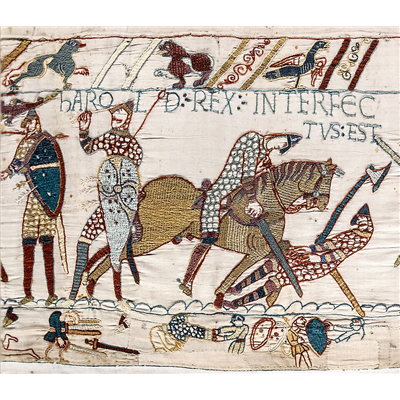 |
Complementing the historic loan of the Bayeux Tapestry to the British Museum (Sept 2026-July 2027), we are thrilled to welcome a former Chief Executive of the Royal College of Needlework, to talk about the Tapestry and how it fits into the wider development of English medieval needlework. The emphasis will be on materials and techniques along with the people involved. |
|
| Tuesday, 09 February 2027 |
| Aphrodite, the Art of Love |
| Dr Stephen Kershaw |
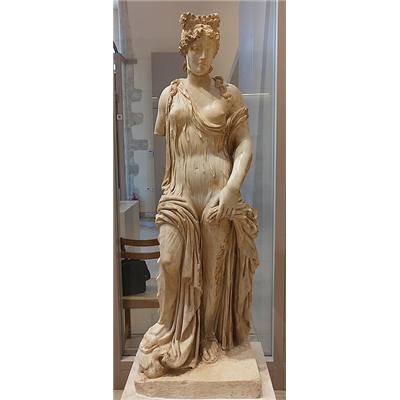 |
Marking Valentine’s week, Steve Kershaw, who was involved with the Ashmolean Museum’s blockbuster show in 2026/7 on Aphrodite: the art of love, explores how beautiful ‘golden Aphrodite, who stirs up sweet passion in the gods and subdues the tribes of mortal men’ has inspired and shaped our ideas of love and beauty, through myths, poetry and imagery from Ancient Greece to Botticelli’s The Birth of Venus and beyond. |
|
| Tuesday, 09 March 2027 |
| ‘The Most Exalted and Prodigal Magnificence’: Filippo Brunelleschi and the Dome of
Santa Maria del Fiore, Florence |
| Ross King |
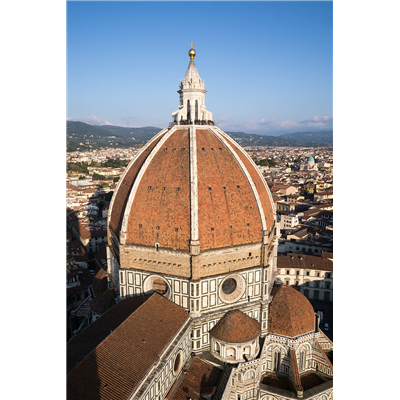 |
This celebrates the great architect’s 650th anniversary. Ross King’s book, Brunelleschi’s Dome (2000) became an international best-seller. Ross discusses the dazzling octagonal dome that was to crown Santa Maria del Fiore, the cathedral of Florence. It presented the most daunting architectural puzzle of the age: how to raise the highest and widest vault ever attempted. The cupola was to have a span greater than the Roman Pantheon and vaulting higher than any Gothic cathedral. The logistical problems were enormous. How did Brunelleschi succeed? |
|
| Tuesday, 13 April 2027 |
| Thomas Gainsborough: “Sick of Portraits?” |
| Alan Read |
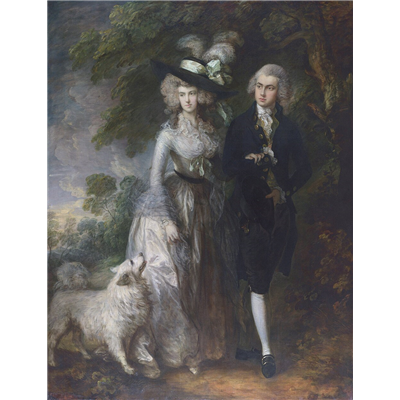 |
Alan Read, a regular speaker at Tate Britain and Tate Modern, primes us for a major tercentennial exhibition at Tate Britain, opening in May. This lecture looks at the life and works of Gainsborough (1727-1788), one of this country’s greatest ever portrait painters, in the Golden Age of British Art. Despite achieving great artistic and financial success, he hated his ‘day job’ and wished to paint ‘landskips’. |
|
| Tuesday, 11 May 2027 |
| The Arts and Craft of John Piper |
| Jo Walton |
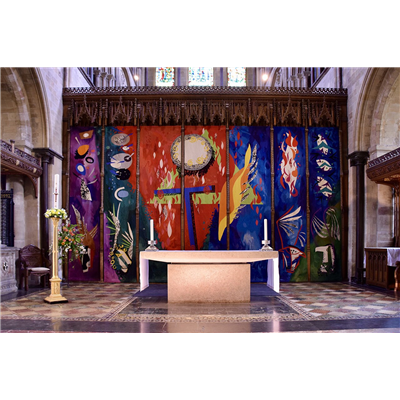 |
Familiar to us from his striking works in Chichester Cathedral, the abstract painter John Piper (1903-92), was also a writer, critic and typographer with a love of architecture – especially medieval churches and stained glass. During WW2, as a renowned Official War Artist, he created powerful images of the destruction of Coventry Cathedral, the Houses of Parliament, the city of Bath and he recorded Windsor Castle. Jo Walton discusses his amazing range of creativity. |
|
| Tuesday, 08 June 2027 |
| Visions of Arcadia: the creation of the landscape garden in Georgian England |
| Barbara Peacock FRSA |
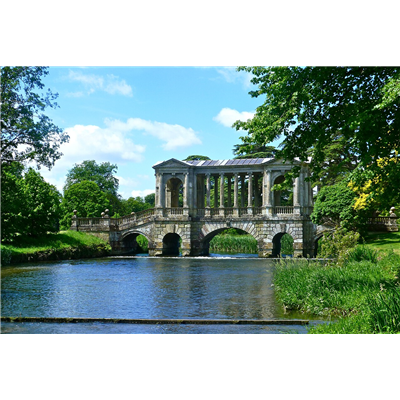 |
The creation of the naturalistic landscape park is one of England’s most original contributions to the arts of Europe. These parks were revolutionary, completely overturning accepted conventions of gardening. The speaker discusses the various forces and ideas that combined to gradually overthrow the old formal gardens, as at Wilton, Stowe, Stourhead, Claremont and Painshill. |
|